
A report from an IntoUniversity session with the Binks Hub, Social Policy, Lothian Health Services Archive, and University of Edinburgh Heritage Collections.
We recently welcomed a group of young people and their parents and carers to the University of Edinburgh for a session exploring the social sciences, archives, and creative practice.
These families were visiting as part of the Adult & Family Learning Pilot being run by education charity IntoUniversity in partnership with the University of Edinburgh and the University of Glasgow. The pilot, which was established after the successful launch of three IntoUniversity centres in Scotland with the support of the two universities, aims to deepen the support offered to families and understand more about how engagement with parents and carers can improve the educational outcomes of young people.
The aim of this particular visit was simple, but important. It was to create space for families to spend time in the University together, to explore ideas, and to begin to feel that this is a place where they belong.
We began with a conversation about some of the questions that sit at the heart of the social sciences. These included questions about inequality, community, and how society works. Rather than approaching these as abstract ideas, we used a simple metaphor of a race to open up discussion about how people do not always start from the same place or face the same conditions. From there, families shared their own thoughts about how inequality shapes everyday life, from housing and education to health, opportunity and representation.
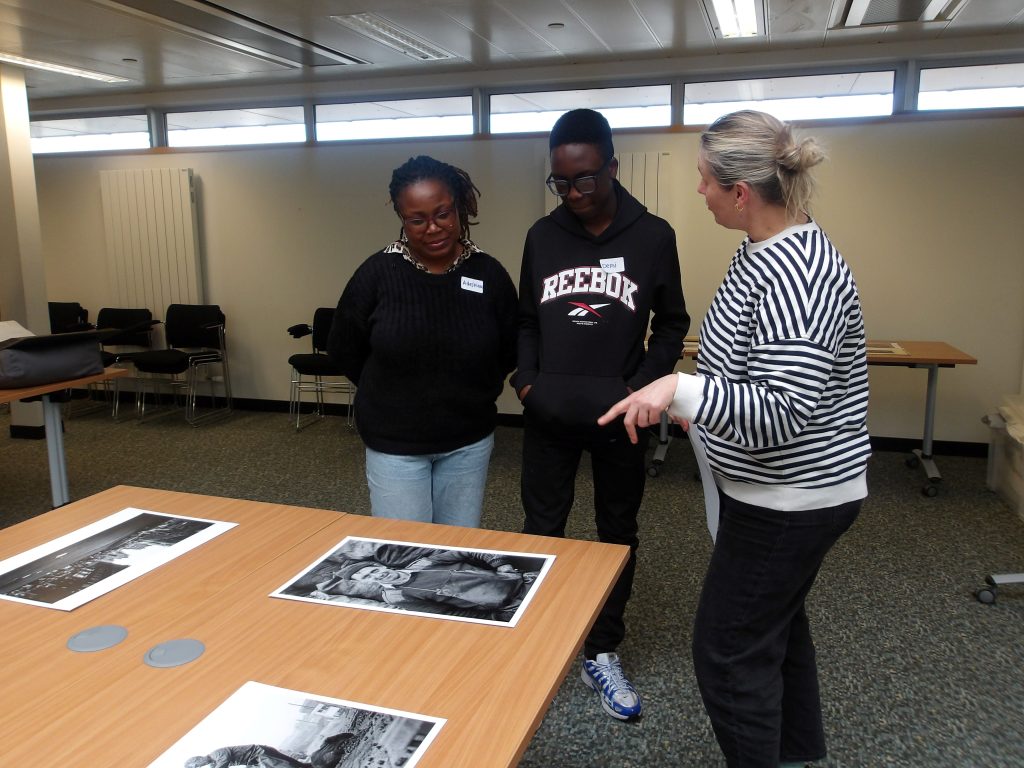
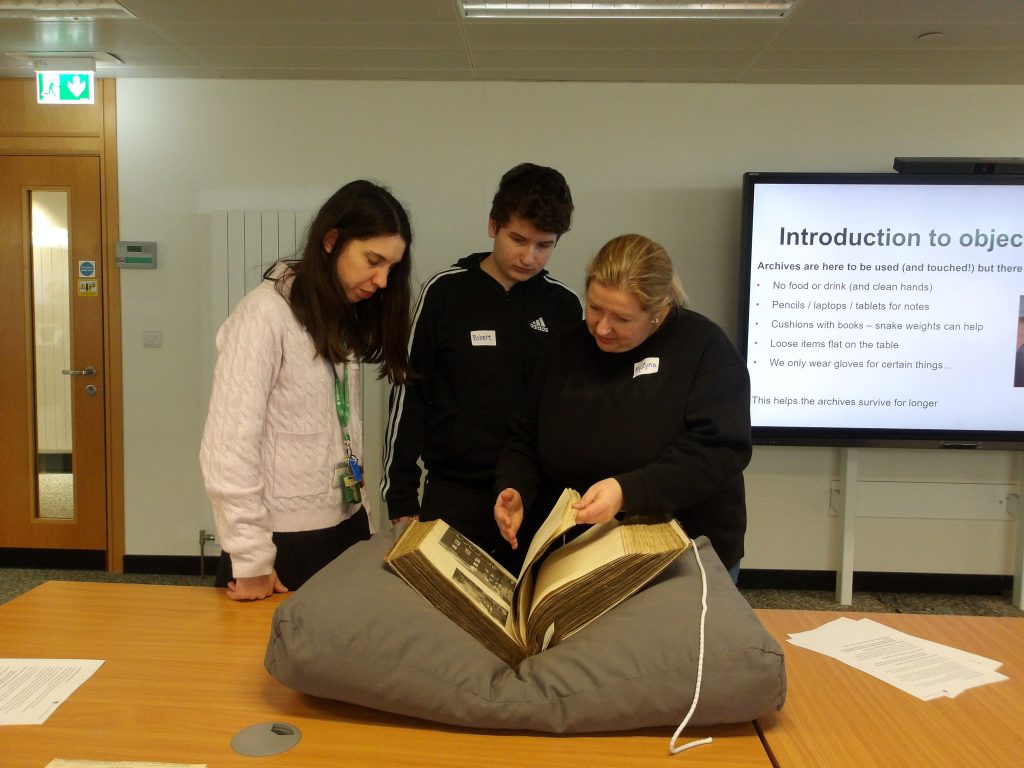
The session then moved into the University’s archives, where families explored materials connected to Edinburgh and Craigmillar. These included Symbolae Scotiae, a set of scrapbooks created in the 1840s by the scientist Adam White; photographs by Graeme McIndoe, taken when he was a student in the 1980s during the miners’ strike; and materials from the Lothian Health Services Archive. As families spent time with the photographs, documents and records, conversations emerged about how communities have experienced inequality over time, and how people have organised collectively to create change.
A key theme that ran through the session was that archives are not just about the past. They are also about what and whose stories are preserved. Families were quick to notice both what was visible in the materials and what felt less present or missing. This opened up important questions about representation, voice, and whose experiences are recorded.
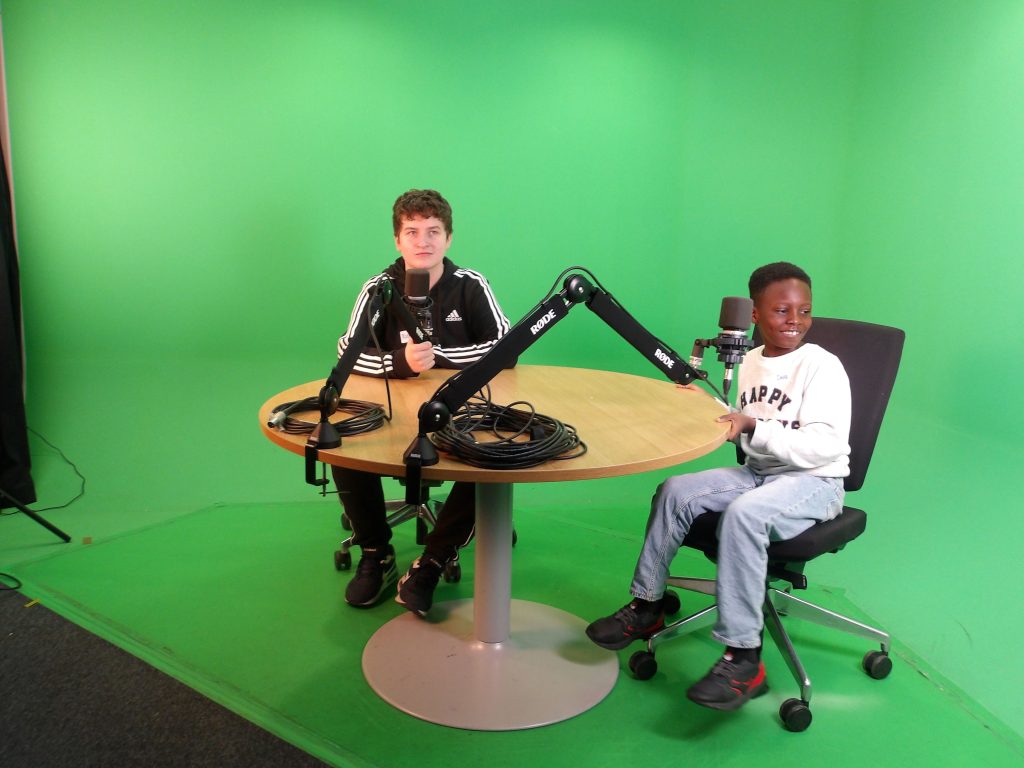
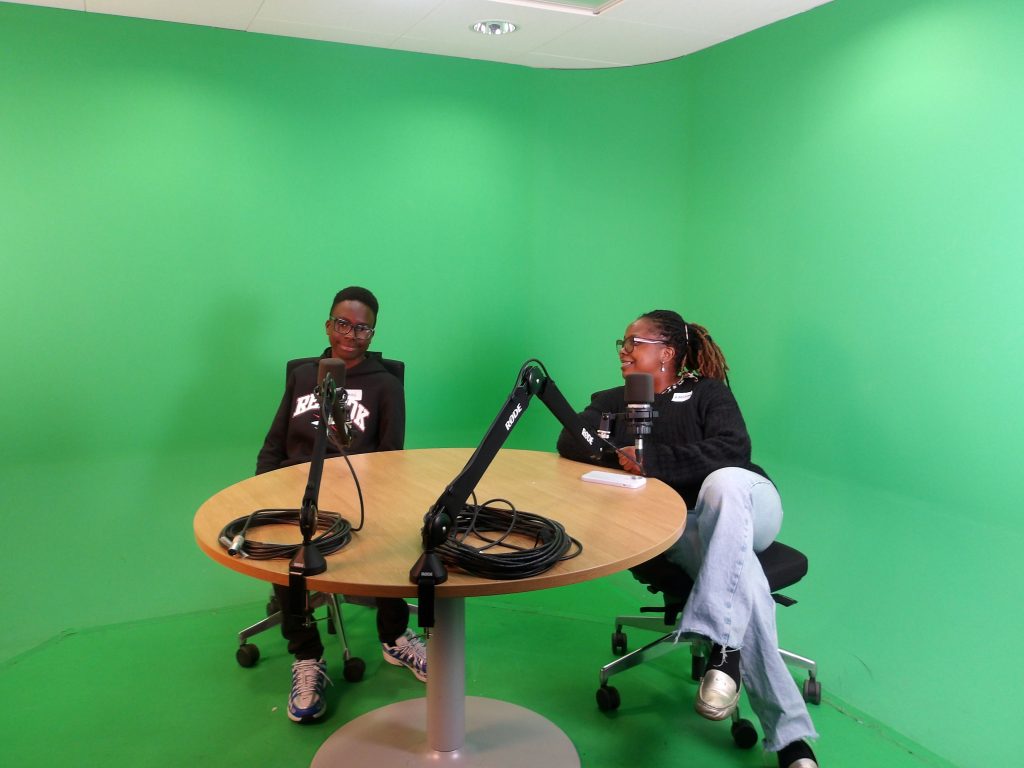
In the second half of the session, families visited the University’s Makerspace, where they experimented with green screens and saw 3D printing in action. They then took away materials to create their own collages, drawing on archive images, words, and personal photographs to tell stories about their community, family life, or hopes for the future.
Visits like this are often framed in terms of pathways and progression. While these are important, they are only part of the picture. They also point to the role of universities as part of the public good, open to and shaped by the communities they serve.
IntoUniversity is a national programme that supports young people from disadvantaged neighbourhoods to attain their chosen aspiration, including further and higher education, employment and work-based training. Find out more on the IntoUniversity website.